




The Ultimate Guide to Selecting Takeaway Paper Bags
In the fast-paced world of food delivery and takeout, the paper bag is much more than a simple carrier. It is the final touchpoint between a restaurant and its customer—a mobile billboard, a statement of brand values, and a functional tool that must perform under pressure. A bag that tears, leaks, or feels flimsy can ruin a carefully prepared meal and tarnish a brand’s reputation. Conversely, a well-chosen paper bag enhances the customer experience, reinforces brand identity, and demonstrates environmental responsibility.
Selecting the right takeaway paper bag requires a careful balance of strength, material, design, and cost. Here is a step-by-step guide to help you make the best choice for your food business.
1. Understand the Different Types of Paper
Not all paper is created equal. The base material determines the bag’s durability, appearance, and environmental footprint. The two primary types used for takeaway bags are kraft paper and coated paper.
- Kraft Paper: Recognized by its natural brown or bleached white appearance, kraft paper is prized for its high tear resistance and strength. The term “kraft” comes from the German word for “strength,” and it is produced using a chemical pulping process that retains long fibers. Brown kraft conveys a natural, rustic, or eco-friendly image, while white kraft offers a clean, premium look that allows full-color printing to pop. Kraft bags are ideal for dry, non-greasy items such as bakery goods, sandwiches, or packaged products.
- Coated Paper (SBS – Solid Bleached Sulfate): This paper has a clay coating that provides a smooth, bright surface, making it perfect for high-end printing with vivid colors. It is often used for retail-style carryout bags. However, unless specified as “wet-strength” or lined with a moisture barrier, standard coated paper is not suitable for greasy or hot food. For restaurants serving fried chicken, noodles, or saucy dishes, a coated bag with an internal grease-resistant lining or a separate greaseproof paper insert is necessary.
2. Assess Weight and Strength (GSM)
The strength of a paper bag is largely determined by its GSM (grams per square meter) . The higher the GSM, the thicker and more durable the paper.
- Lightweight (30–50 GSM): Suitable for very light items such as a single pastry, small coffee cups, or a wrapped burger. These bags are typically used as “carry-out” bags placed inside a larger order.
- Medium Weight (50–80 GSM): The standard for most takeaway applications. These bags can handle a main course container, a side dish, and a drink without tearing. They offer a good balance between durability and cost.
- Heavyweight (80–120+ GSM): Used for larger orders, multiple heavy containers, or bottles. These bags often require reinforced handles and are designed for premium delivery experiences.
When selecting GSM, consider not only the weight of the food but also potential moisture. A container of soup can add significant weight and create condensation, so opting for a slightly heavier GSM than you think you need is a safe rule of thumb.
3. Choose the Right Handle Type
The handle is often the most stressed part of a takeaway bag. The handle style affects both functionality and the bag’s overall aesthetic.
- Twisted Paper Handles: Made from tightly wound kraft paper, these are the most common handles for mid-to-high-end takeaway bags. They are durable, comfortable to hold, and fully recyclable. They are typically attached to the bag with reinforced paper patches to prevent tearing.
- Flat Paper Handles (Punched Handles): Simple holes cut into the bag body. This is the most economical option but provides the least comfort, especially for heavier orders. It is best suited for very lightweight purchases.
- Fabric/Ribbon Handles: Cotton, polyester, or satin ribbons add a luxurious feel. While visually appealing, they are often not recyclable and can increase the bag’s cost significantly. They are best reserved for boutique establishments or gift packaging rather than standard takeaway.
- Rope Handles: Similar to twisted paper but thicker and rounder. These offer maximum strength and a premium look, commonly used for high-volume or heavy orders.
For food delivery, especially with third-party couriers, twisted paper handles or reinforced flat handles are generally the safest choices to ensure the bag remains intact during transit.
4. Evaluate Environmental Credentials
As consumer awareness of sustainability grows, the environmental impact of packaging has become a deciding factor for many diners. When selecting paper bags, consider the following:
- Recycled Content: Look for bags made from post-consumer recycled (PCR) paper. These reduce the demand for virgin wood pulp and appeal to eco-conscious customers.
- FSC Certification: The Forest Stewardship Council (FSC) certifies that the paper comes from responsibly managed forests. Using FSC-certified bags signals a commitment to sustainable sourcing.
- Recyclability: While most plain paper bags are recyclable, bags with plastic coatings, lamination, or foil stamping may not be accepted by local recycling facilities. If recyclability is a priority, choose water-based adhesives and avoid metallic finishes.
- Compostability: Some bags are designed to be industrially compostable. This is particularly relevant for businesses that also compost food waste, allowing customers to dispose of the bag together with leftovers.
5. Customization and Branding
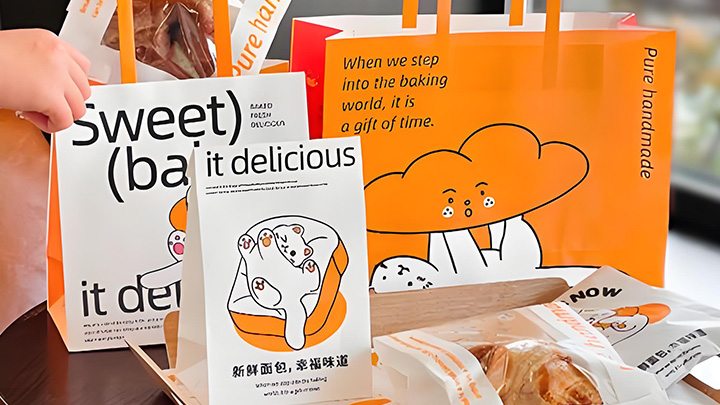
A takeaway bag is a walking advertisement. Every bag that leaves your restaurant carries your brand into the neighborhood. Customization options include:
- Printing: Screen printing is cost-effective for simple logos on kraft bags, while offset or digital printing allows for intricate, full-color designs on white or coated bags.
- Placement: Consider printing on both sides for maximum visibility. Some businesses also print the inside of the bag with a fun message or care instructions, creating a memorable unboxing experience.
- Finishes: Matte or gloss lamination adds durability and a premium feel, but it can reduce recyclability. Spot UV or embossing can highlight your logo for a sophisticated touch.
When designing, remember that simplicity often works best. A clean logo and a consistent color scheme are more memorable than an overly busy design.
6. Balance Cost with Quality
Takeaway bags are a recurring expense, so cost management is critical. However, opting for the cheapest bag can backfire if it results in torn handles or spilled food. A good approach is to tier your bag selection:
- Standard Tier: A medium-weight kraft bag with twisted paper handles for daily takeout orders.
- Premium Tier: A heavier white or coated bag with custom printing for catering orders, VIP customers, or special promotions.
- Economy Tier: Lightweight punched-handle bags for small, low-risk items like a single pastry or coffee.
By using different bags for different order types, you can optimize both customer experience and budget.
7. Work with a Reputable Supplier
Finally, the selection process is incomplete without a reliable partner. Look for suppliers who offer:
- Samples: Always order samples before committing to a large batch. Test the bags with your actual food items—including hot, heavy, and greasy orders—to see how they hold up.
- Flexible MOQs (Minimum Order Quantities): Smaller restaurants may benefit from suppliers that offer low MOQs for custom-printed bags, allowing them to refresh designs seasonally without holding excessive inventory.
- Consistency: Ensure the supplier can maintain consistent quality, GSM, and print color across multiple reorders.
Conclusion
Selecting the right takeaway paper bag is a strategic decision that impacts brand perception, customer satisfaction, and operational efficiency. By carefully considering the material, weight, handle type, environmental attributes, and customization options, you can choose a bag that not only carries your food safely but also carries your brand forward. In an industry where every detail matters, a well-chosen paper bag is a small investment that yields significant returns in customer loyalty and brand recognition.